Discover why addiction does not guarantee sobriety and explore the realities of recovery and Oxford House treatment. Explore daily reflections in recovery to enhance sobriety, resilience, and mindfulness in your journey to healing. Explore relationships in recovery and learn how to build support for healthier, lasting connections. Discover what addiction awareness month is and join the vital campaign to combat substance abuse.
How to Foster Self-Compassion in Sobriety
- You will be unable to go further in your recovery if you cannot recognize that you and alcohol do not mix.
- Discover what Vivitrol is and how it aids recovery, from effectiveness to long-term sobriety benefits.
- The Alcoholics Anonymous (AA) Big Book says “powerless over alcohol” as its first principle.
- The act of helping others and giving back to the recovery community becomes a meaningful way to repay the support received.
The process emphasizes the need for treatment and support beyond willpower. When you are 2 or 10 https://ecosoberhouse.com/ or 20 years sober, you are still going to be powerless over alcohol. Acknowledging powerlessness over alcohol and drugs can be liberating for many people. It frees you up to focus your time and energy on things that are within your control. Perhaps you are familiar with the words of the Serenity Prayer, which is commonly recited at AA meetings. In our recovery programs for men in Colorado, we work on this step.
Acknowledging Powerlessness
- I frequently remarked when life got tough, «This is why I drink.»
- Empowerment in the recovery journey involves understanding that addiction is a disease, not a character flaw.
Every year the raging waters rise, steal away loved ones, and obliterate all they worked so hard to build. They suffer desperation and hopelessness, and they further feel shame and guilt for not having prevented catastrophic loss of life and property. But, what about their neighbors who live on higher ground, above the plain? Factually, they are as powerless against the raging floods as those whose homes were swept away.

List of Examples of Powerlessness in Sobriety
It presumes your own uniqueness or difference, as referenced earlier. Submit yourself to the process of recovery and allow yourself the gift of patience while you wait for it to take hold. Clients get feedback from their community powerless over alcohol members, which allows them to be both challenged and supported.
Are You Powerless Over Your Addiction? Here’s How to Know
- As a part of treatment at MARR, our clients complete a First Step Inventory, which includes examples of powerlessness and unmanageability from various areas of life.
- Believing you have enough power to stop on your own feeds isolation and pride, both of which are fuel for continuing in addiction.
- Indeed, at one time it was the accepted way of teaching children and criminals right from wrong.
- It’s not about weakness, but rather about honest self-assessment and a willingness to seek help.
- The brain’s function and the person’s physical health are affected.
- Drunk people also end up in psychiatric wards and jails.
Recovery is possible, and it opens the door to a life filled with possibilities that may have seemed out of reach while in the throes of addiction. It’s about rediscovering who you are without the addiction, rebuilding relationships, and creating a life that feels authentic and fulfilling. The inability to control substance use or behavior is perhaps the most glaring red flag. It’s like trying to stop a runaway train with your bare hands – no matter how hard you try, you can’t seem to slow down or stop. They don’t talk about how that connects to drug addiction, but one can instantly see the relationship without a proper definition.
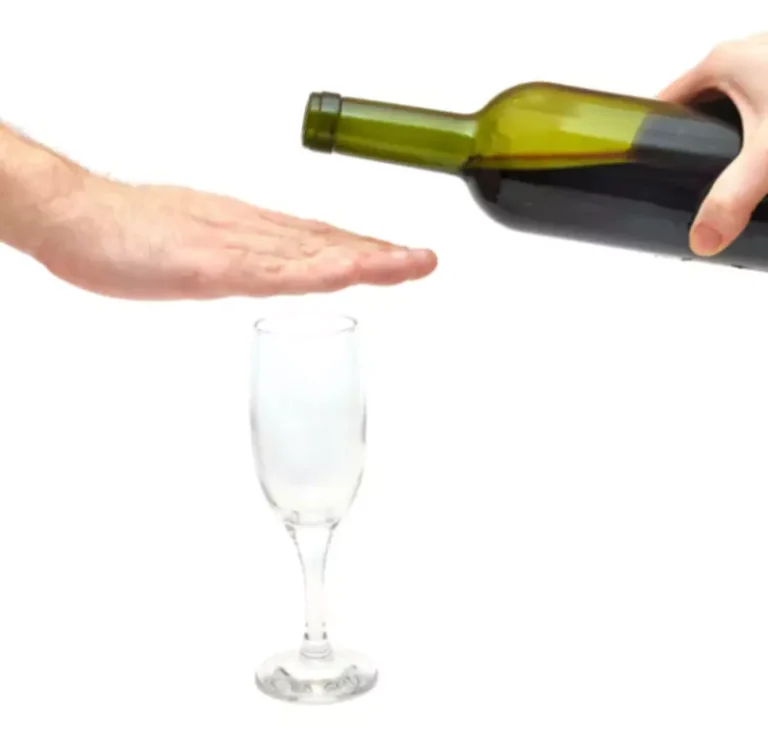
Am I Powerless Over Alcohol?
In summary, societal power imbalances significantly influence the experiences of individuals with addiction, underscoring the need for awareness, advocacy, and systemic change to address these injustices. Slips and relapse are part of the normal trajectory of recovery. To say they bring you back to square one dismisses the work you’ve done so far in your recovery journey. Use them to learn about additional supports you need, the needs or desires that drove you to act out, or catalysts or triggers that create more temptation. Constantly attempting to get your life under control when you are living in chaos is fruitless. The addiction has worn away at your self-control and self-discipline.